Sync

Mr Cavallari Studio · 2025 · Composition, System Design, Interaction Design, Spatial Sound

A distributed performance platform that composes music as a real-time spatial system.

Sync

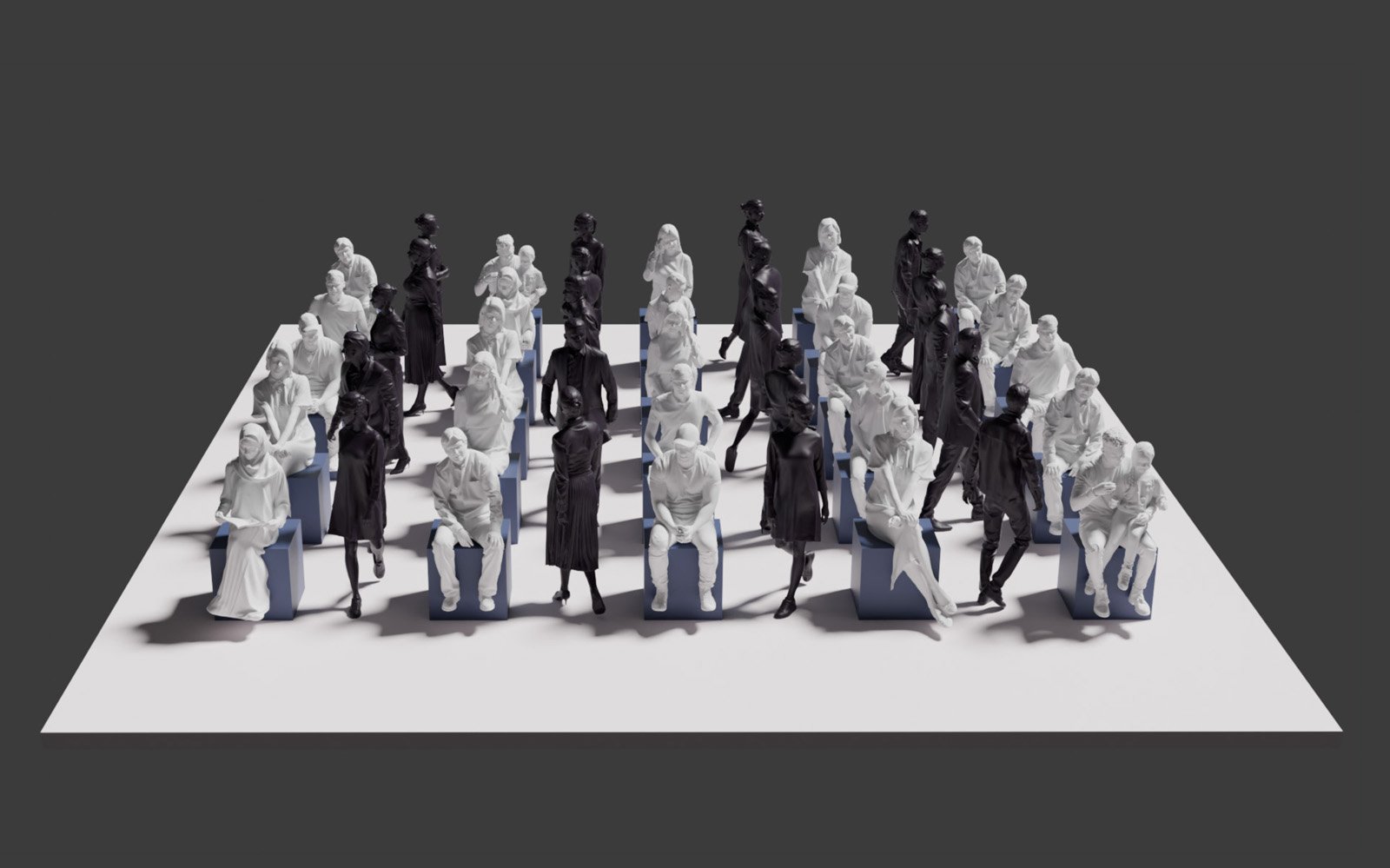
Sync re-imagines composition as a real-time, spatial system. Each performer becomes a node in a distributed network, receiving individualized cues on a mobile device, while the audience stands inside the sound — a chord spread across the room, fragmented and reassembled as people move through it.

The cues can be deterministic or rule-based, so the same system can hold both precision and variation. The interface, the writing and the full set of prototype videos live on the dedicated Sync site.
Visit the project →

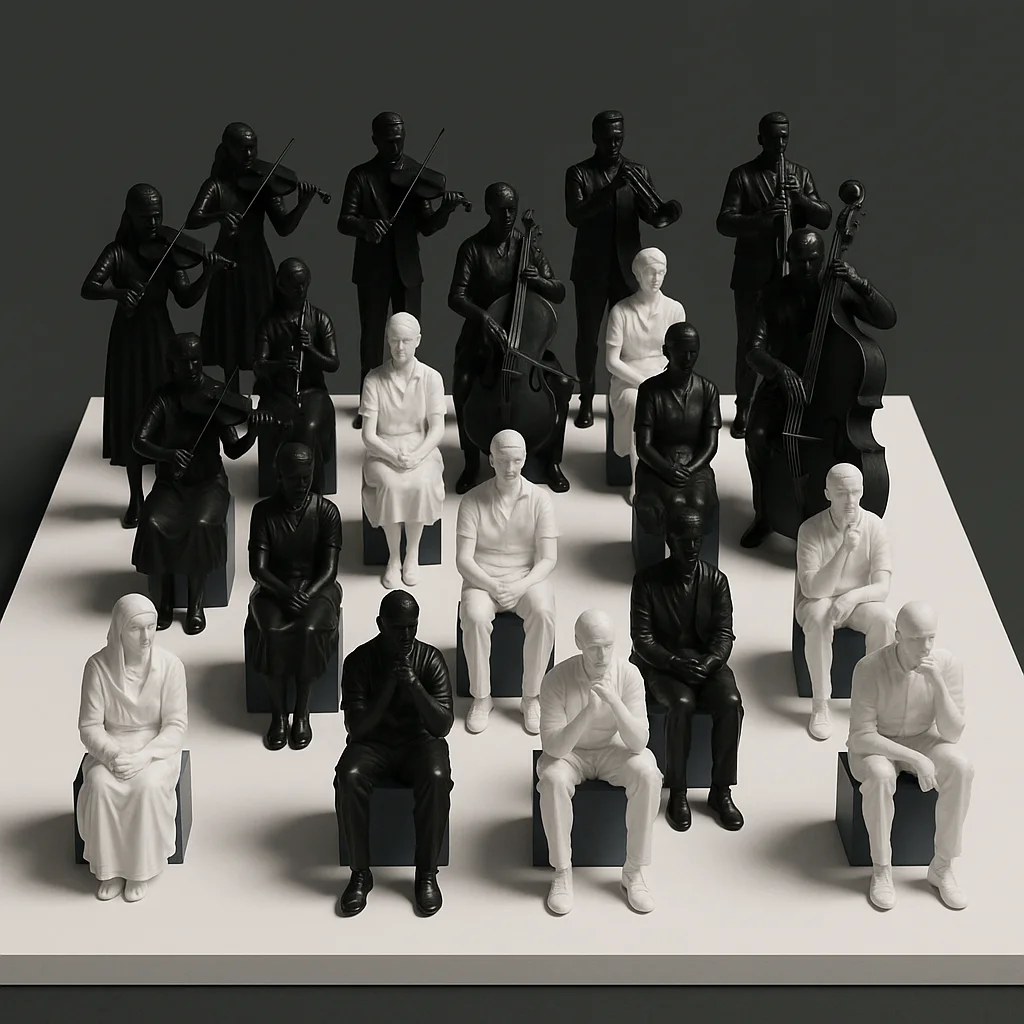
Sync is written for an ensemble — anywhere from five to a hundred-plus musicians — arranged as a network through the space rather than lined up on a stage.
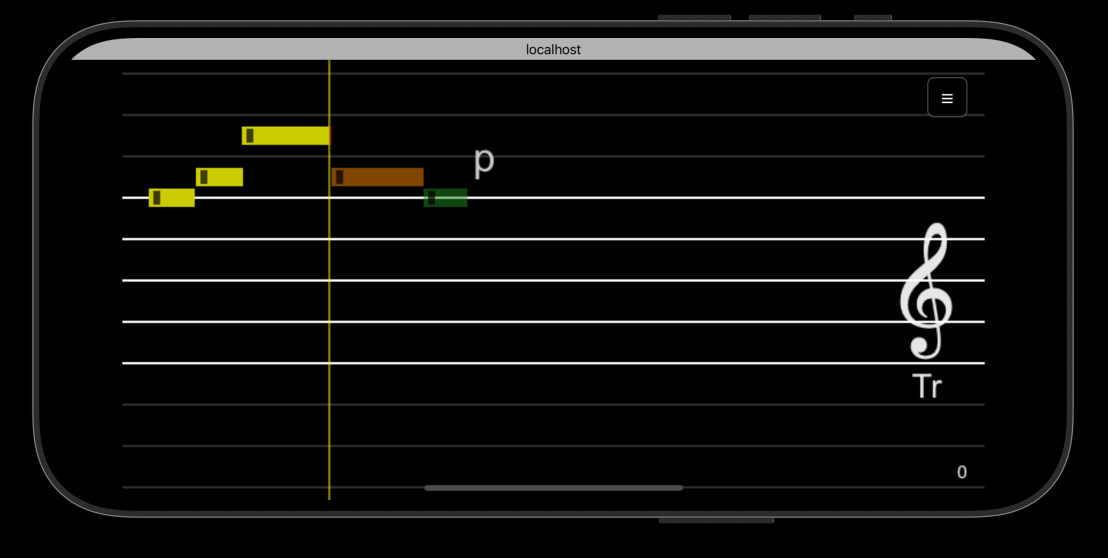
The performer interface: a mobile-first live score. A clef-and-note engine (nine clefs, a 44-semitone range), dynamics and choral lyrics, kept in time across every device in real time.
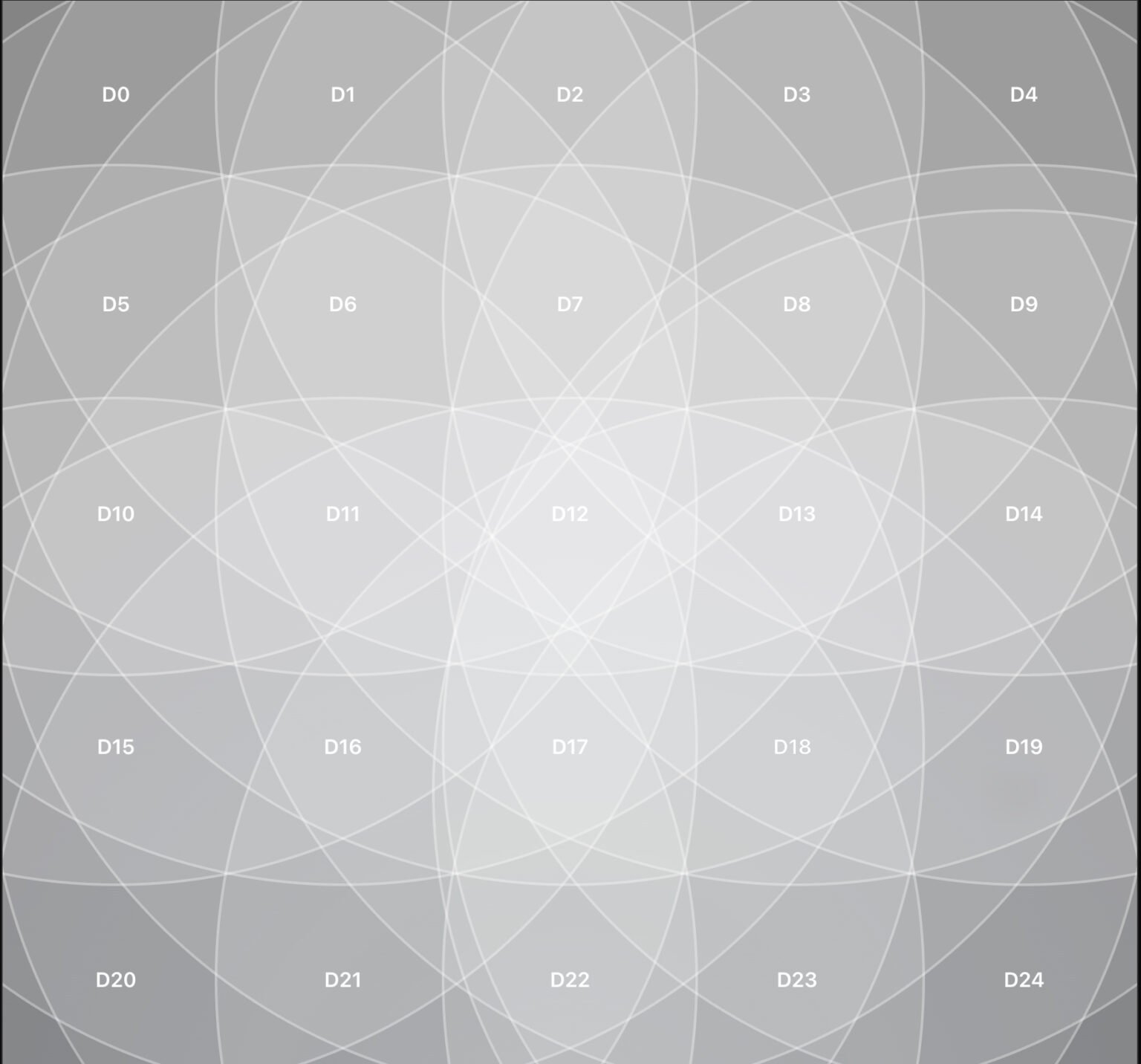
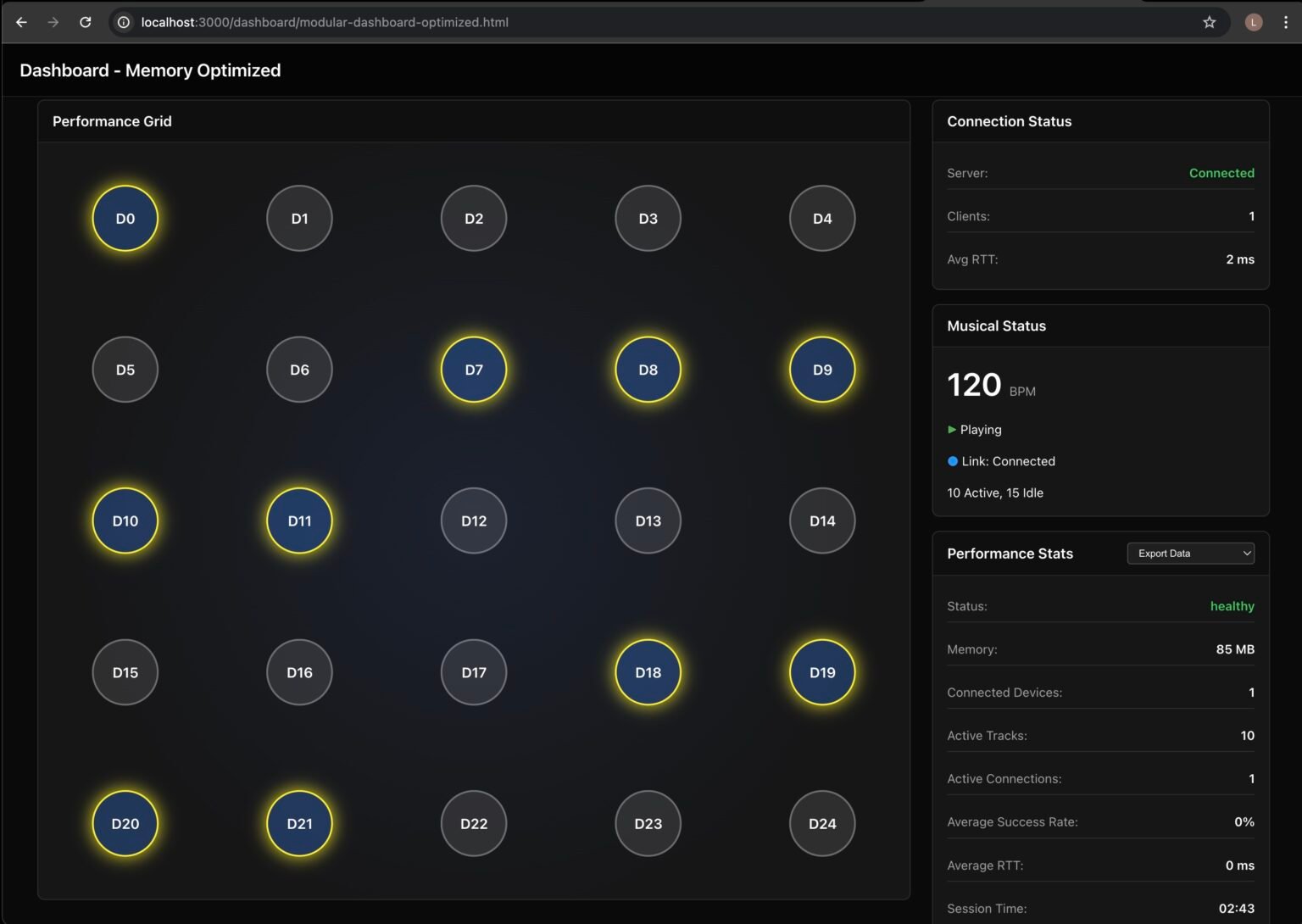
Each performer (D0–D24) is a localized emitter of sound. Their overlapping fields are what the audience walks through — and the basis of the interactive demo on the Sync site.
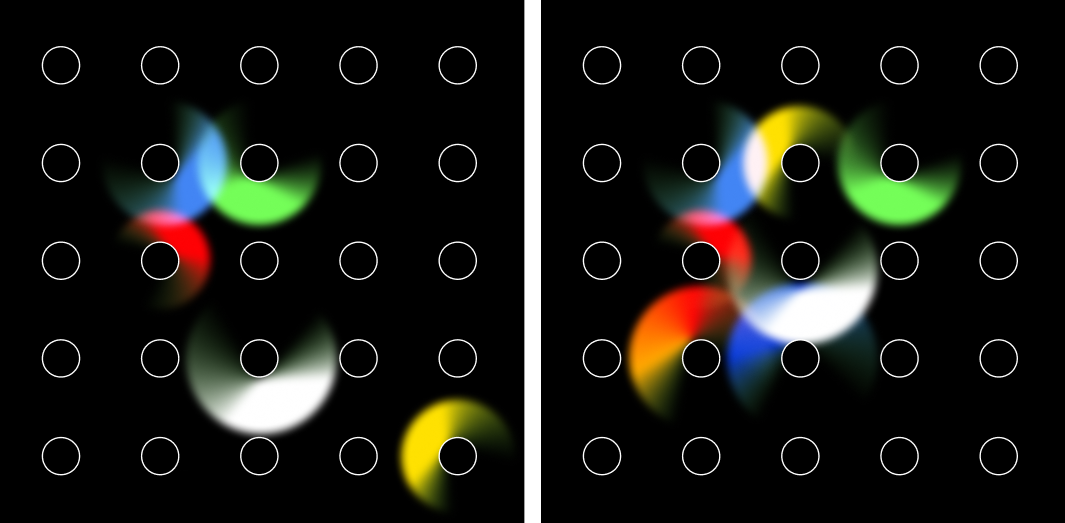
The Dashboard — a bird's-eye view of the whole network. Active performers glow; tempo and Ableton Link status stay locked across the system in real time.
Harmony becomes spatial. Overlapping voices blend like overlapping light: a triad from three nearby nodes can feel radiant or tense depending on where you are standing.
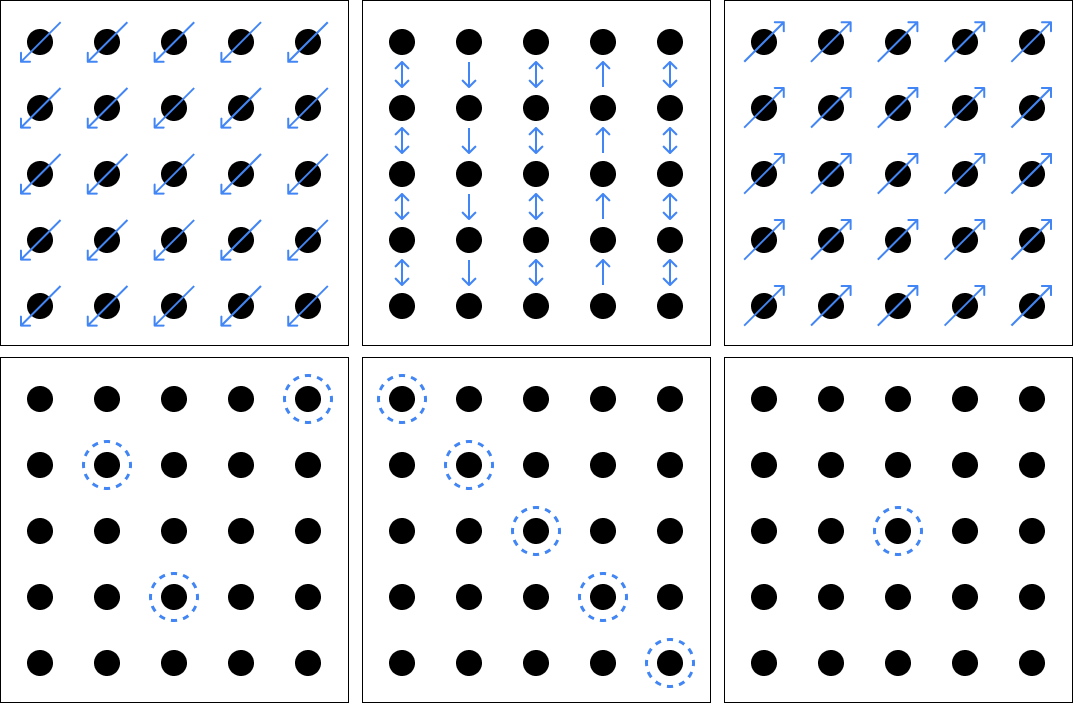
Motion logic. A melodic figure can travel along a row, rotate around the audience or ripple diagonally through the grid — even a rest can move.
First improvisation. An early live test of the system: a minimal pitch set, the focus kept on spatial pattern and the interplay of structure and improvisation. The Dashboard shows each performer's activity, not the notes themselves.
Voices on 8 Notes. Built from just eight notes, to show how a simple harmonic frame can generate complex collective behaviour. Left: the Dashboard's live performer activity; right: four performers' phone screens (D2, D8, D24, D3), each with its own floating pentagram.
Inspired by Debussy's Nuages. A live improvisation that blends free playing with looped patterns. The three phone screens (D0, D7, D23) show exactly what each performer sees.
Automata w37d6. After cellular automata, where simple local rules give rise to complex global patterns. Stay to the end, where the system really takes off and the patterns go a little wild.